Advanced

Image

Data Processing

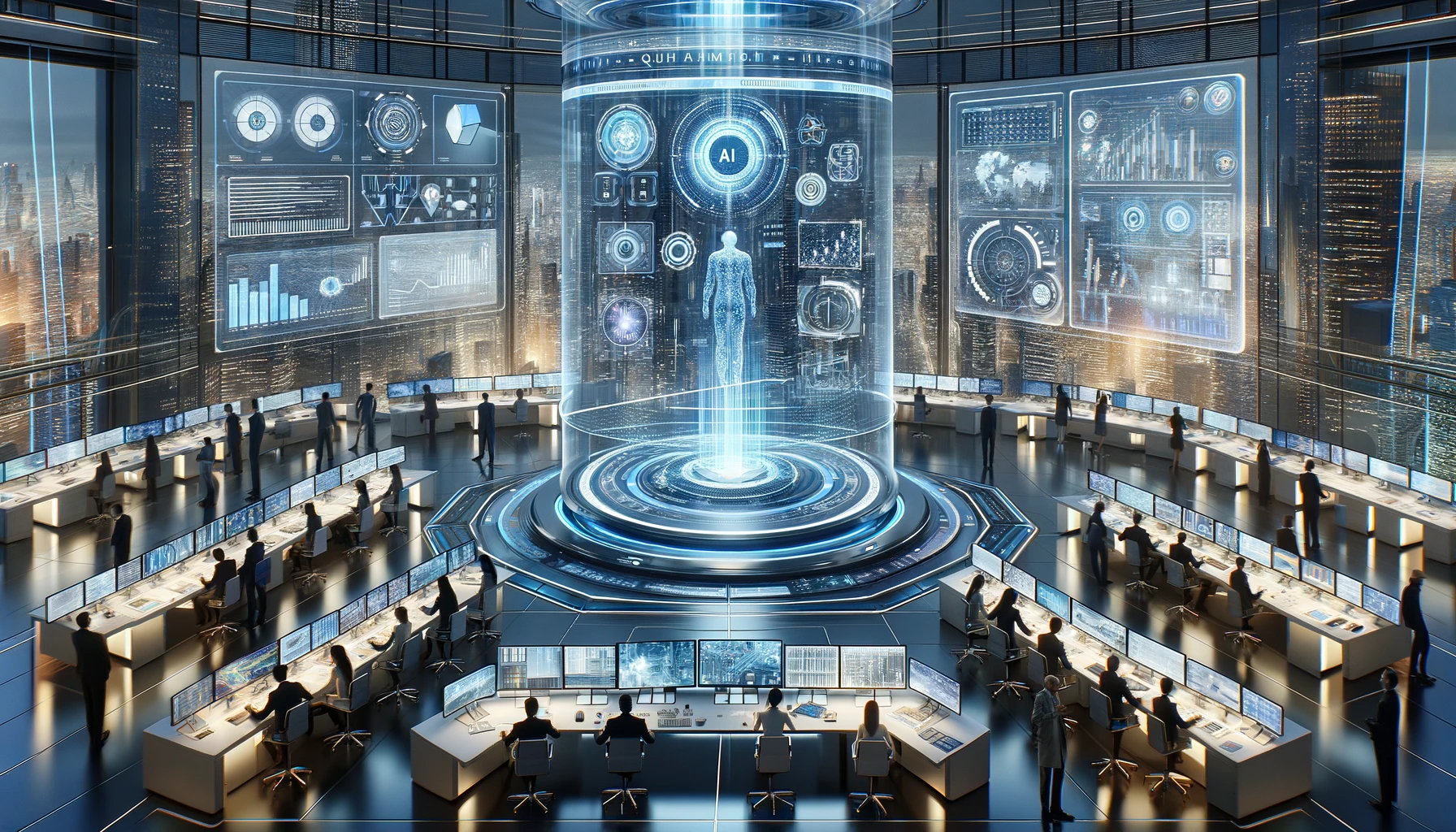
An Advanced Data Processing System, especially in the context of a Quantum Intelligent Futuristic City Management System, involves sophisticated technology and methodologies designed to handle large volumes of complex data efficiently.

Image

Key aspects and capabilities of our system.

Image
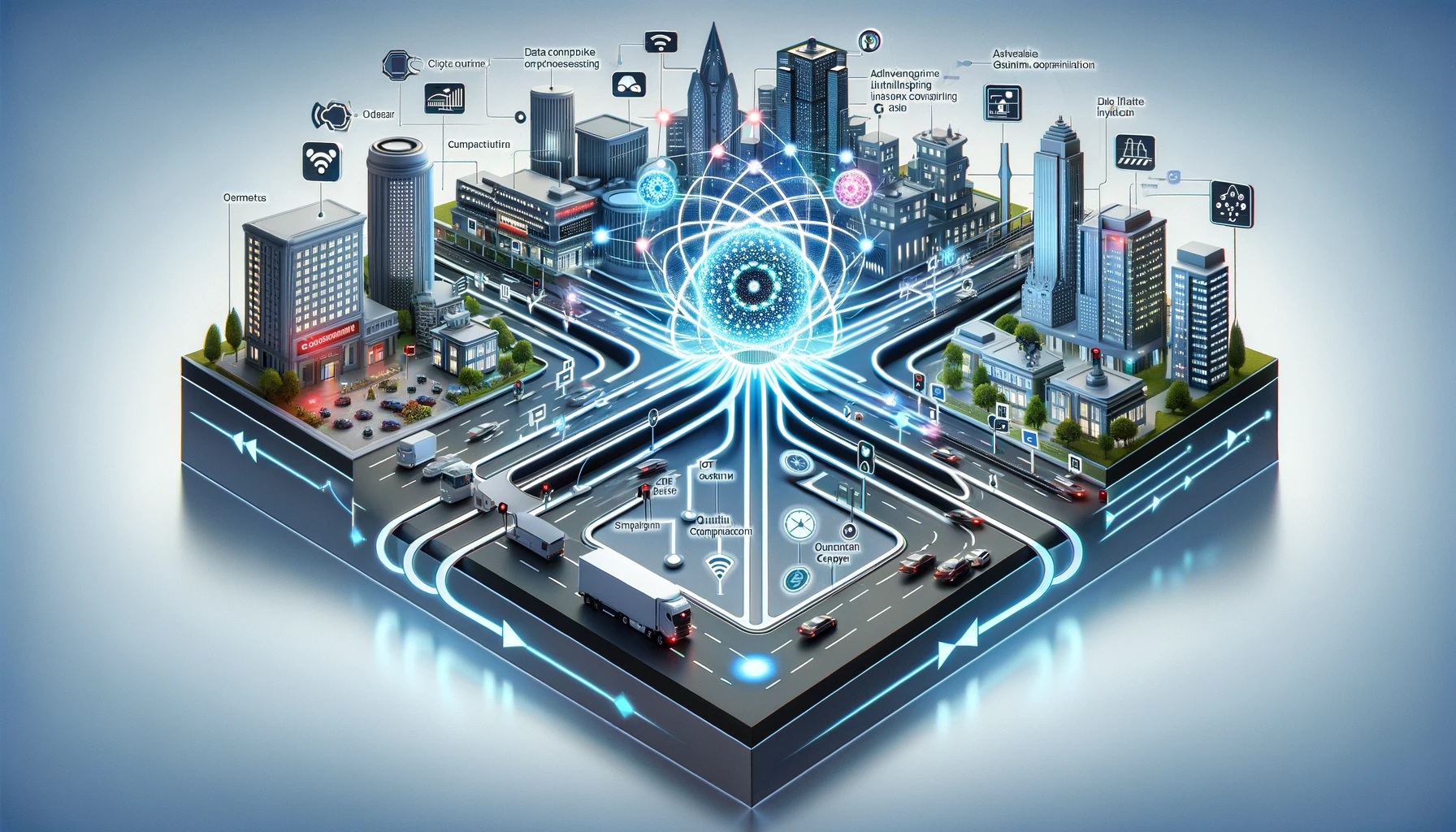
1. Quantum Computing Integration: Utilizing quantum computing capabilities to process data at speeds far beyond traditional computing methods. This includes handling complex algorithms and large datasets typical in urban environments.
Image
A conceptual diagram visualizing an Advanced Data Processing System for a Quantum Intelligent Futuristic City Management System, focusing on Quantum Computing Integration. The diagram shows a central quantum computer connected to various city data sources like IoT devices, traffic cameras, and sensor networks. Data flows are illustrated with arrows, leading to the quantum computer where it is processed using advanced algorithms. The output is depicted as actionable insights and decisions for city management. The design emphasizes the speed and efficiency of quantum computing in processing complex urban data.
Image
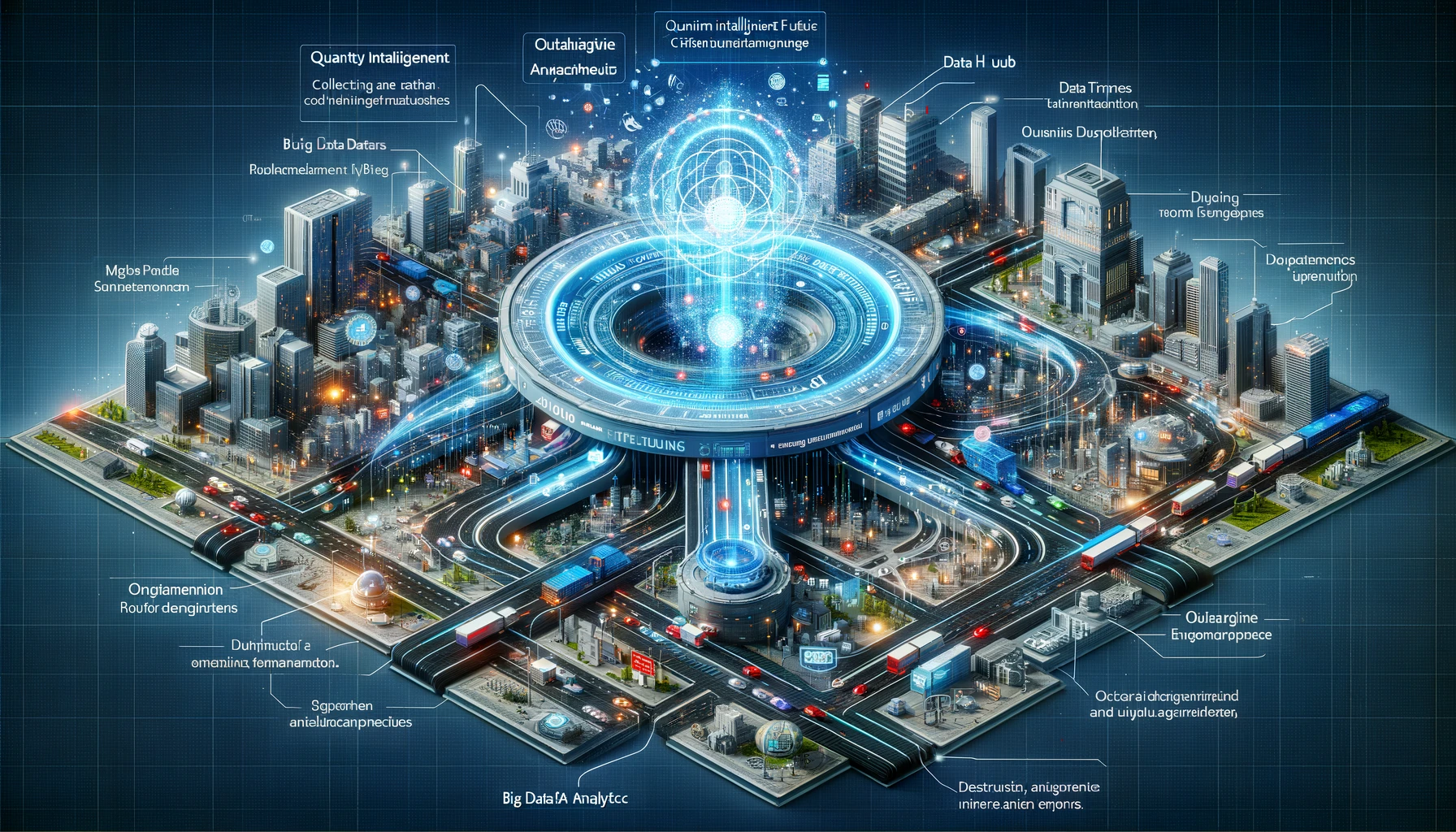
2. Big Data Analytics: Leveraging big data tools to analyze extensive datasets gathered from various city sources like sensors, IoT devices, traffic systems, and public records. This enables real-time insights and decision-making.
Image
A conceptual diagram for an Advanced Data Processing System focusing on Big Data Analytics in a Quantum Intelligent Futuristic City Management System. The diagram illustrates a central data hub collecting vast amounts of data from different urban sources such as traffic systems, public utilities, and social media feeds. These data streams are represented converging into a big data analytics engine, where they are processed using advanced analytics tools. The resulting output is shown as insights and patterns useful for city planning and decision-making. The design highlights the capability of big data analytics to handle and derive meaningful information from large, diverse datasets.
Image
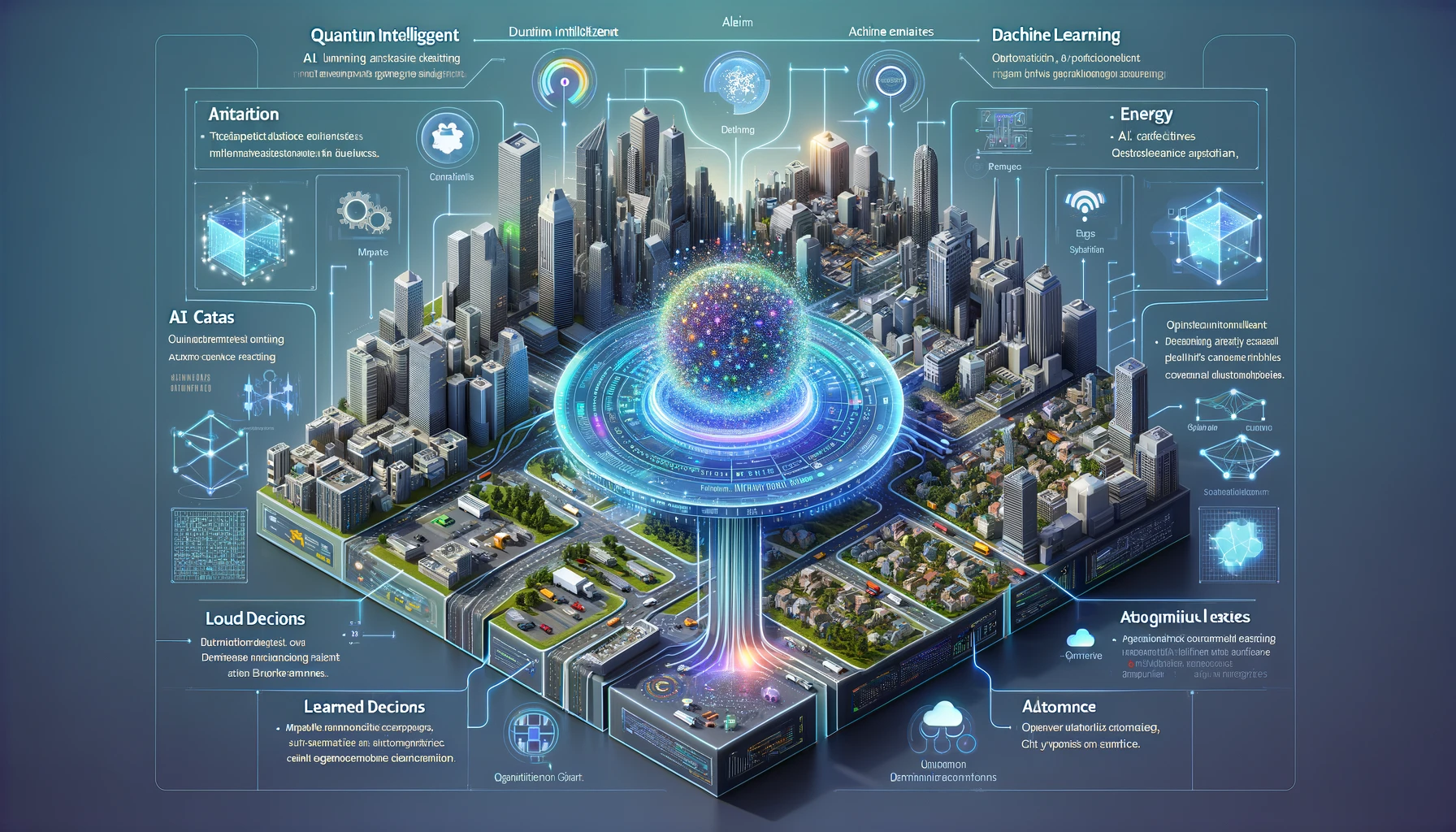
3. AI and Machine Learning: Implementing AI algorithms and machine learning techniques to interpret data, identify patterns, and make predictions. This can be used for traffic management, energy usage optimization, predictive maintenance of infrastructure, and more.
Image
Conceptual diagram for an Advanced Data Processing System emphasizing AI and Machine Learning in a Quantum Intelligent Futuristic City Management System. The diagram depicts AI as the central processor, receiving data inputs from various city aspects like transportation, energy, and public services. It shows AI algorithms analyzing this data, learning patterns, and making predictive models. The output is represented as optimized decisions and automated actions across different city sectors. The design highlights the role of AI and machine learning in turning raw data into intelligent, actionable insights, and its importance in smart city management.
Image
4. Real-Time Processing: The ability to process and analyze data in real time, crucial for applications like traffic management, emergency response, and public safety monitoring.
Image
Conceptual diagram of an Advanced Data Processing System focusing on Real-Time Processing in a Quantum Intelligent Futuristic City Management System. The diagram displays a network of real-time data sources, such as sensors, cameras, and IoT devices spread throughout the city. These are connected to a central processing unit that analyzes data instantly. The flow of data is shown in a continuous stream, leading to immediate insights and responses, such as traffic adjustments, emergency alerts, and resource allocation. The design emphasizes the system's capability to process and react to data in real-time, crucial for dynamic and efficient city management.
Image
5. Data Visualization: Advanced visualization tools to represent data insights in an understandable and accessible way for decision-makers. This includes interactive dashboards, 3D mapping, and holographic displays.
Image
Conceptual diagram visualizing Data Visualization in an Advanced Data Processing System for a Quantum Intelligent Futuristic City Management System. The diagram illustrates a central visualization hub displaying data in various interactive formats such as 3D city models, heat maps, and real-time graphs. It shows data being transformed into user-friendly visual formats, aiding decision-makers and city planners in understanding complex information. The design emphasizes how data visualization makes complex urban data accessible and actionable, enhancing the decision-making process in city management.
Image
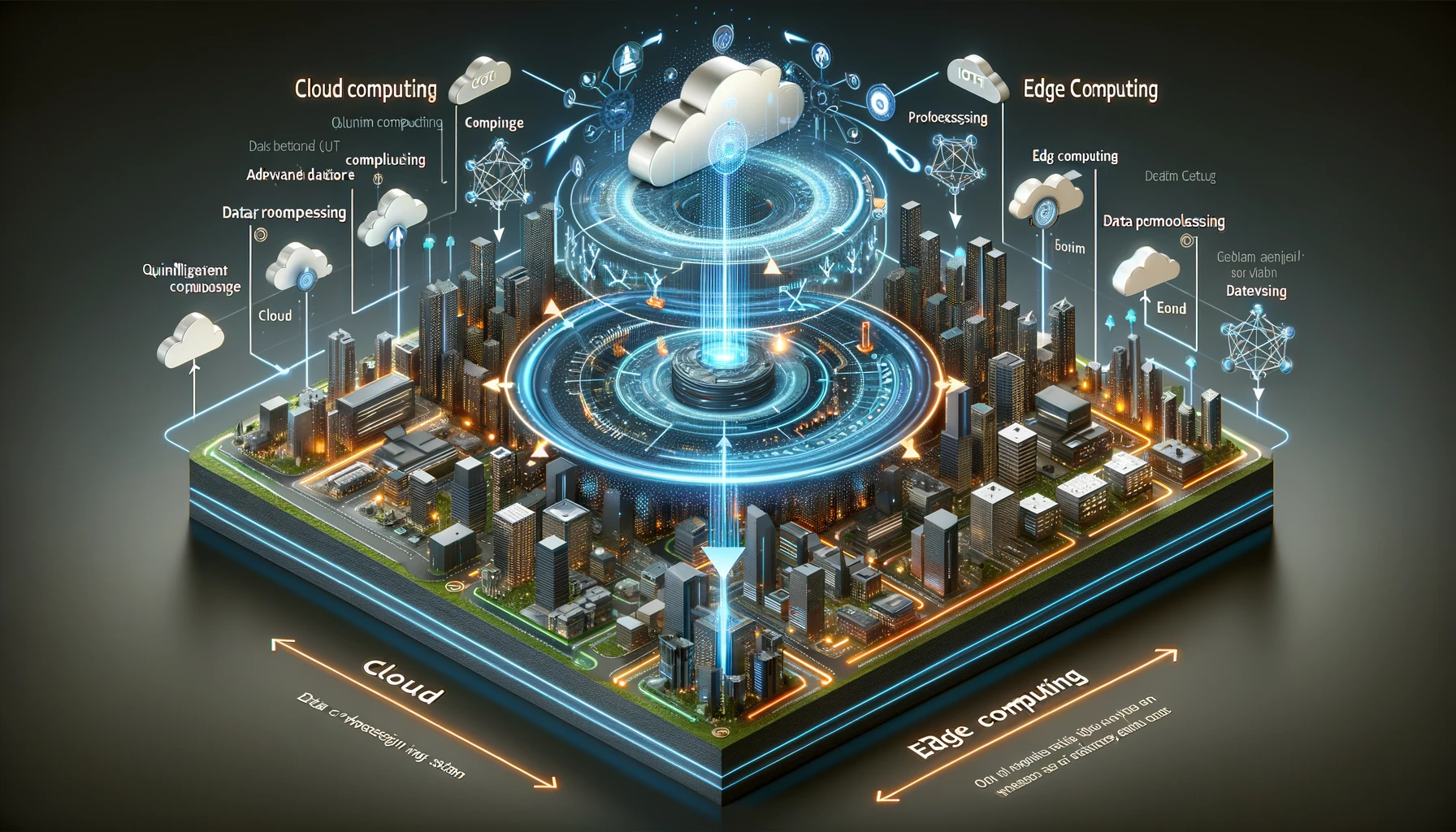
6. Cloud Computing and Edge Computing: Utilizing cloud computing for scalable data storage and processing, and edge computing for faster, localized data processing near the data source, reducing latency.
Image
Conceptual diagram for Cloud Computing and Edge Computing in an Advanced Data Processing System for a Quantum Intelligent Futuristic City Management System. The diagram shows a dual-layered structure, with cloud computing servers processing large-scale data and edge computing nodes handling localized data processing near data sources like sensors and IoT devices. Arrows indicate the flow of data between edge devices and the cloud, highlighting the efficiency and speed in data handling. The design emphasizes the synergy between cloud and edge computing in managing city-wide data efficiently, reducing latency, and providing scalable data solutions.
Image
7. Interoperability and Data Integration: Ensuring that the system can effectively integrate and process data from various sources and formats, promoting seamless data flow between different city systems and departments.
Image
Conceptual diagram illustrating Interoperability and Data Integration in an Advanced Data Processing System for a Quantum Intelligent Futuristic City Management System. The diagram shows various independent data sources such as transportation systems, utility networks, and public services. It visualizes data flowing from these sources into an integration platform where it is standardized and merged. The unified data is then channeled into various city management applications. The design highlights the importance of interoperability in handling diverse data sets and the seamless integration of data for comprehensive city management.
Image
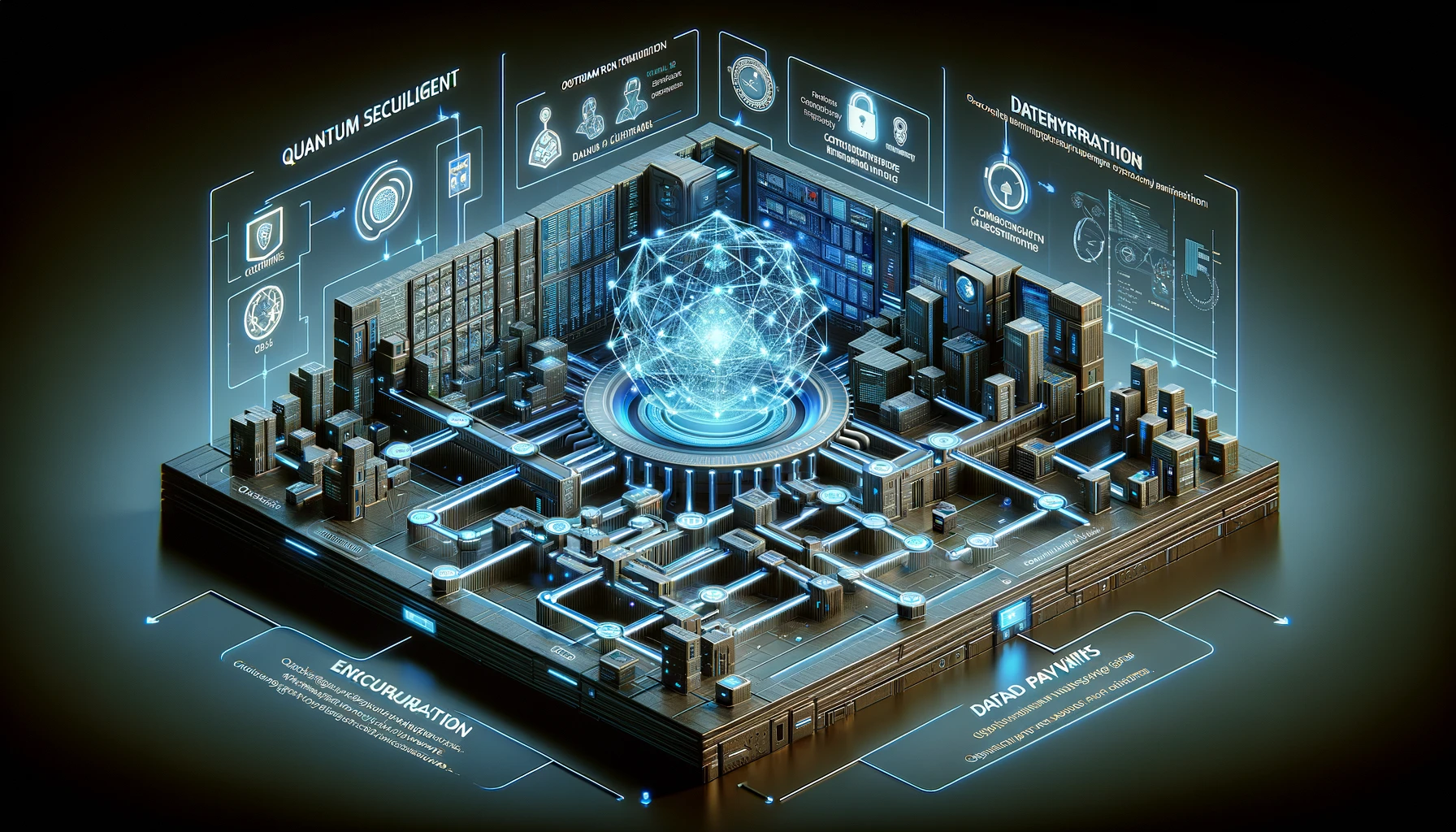
8. Data Security and Privacy: Implementing robust cybersecurity measures and privacy protocols to protect sensitive data and comply with legal standards.
Image
Conceptual diagram depicting Data Security and Privacy in an Advanced Data Processing System for a Quantum Intelligent Futuristic City Management System. The diagram shows a fortified digital infrastructure with layers of security measures like firewalls, encryption, and access controls. Data pathways are shown entering these layers, representing the safeguarding of data as it moves through the system. The diagram also includes monitoring tools and compliance checkpoints, emphasizing the system's focus on maintaining high standards of data security and privacy. The design conveys the robustness of the security architecture in protecting sensitive urban data against cyber threats.
Image
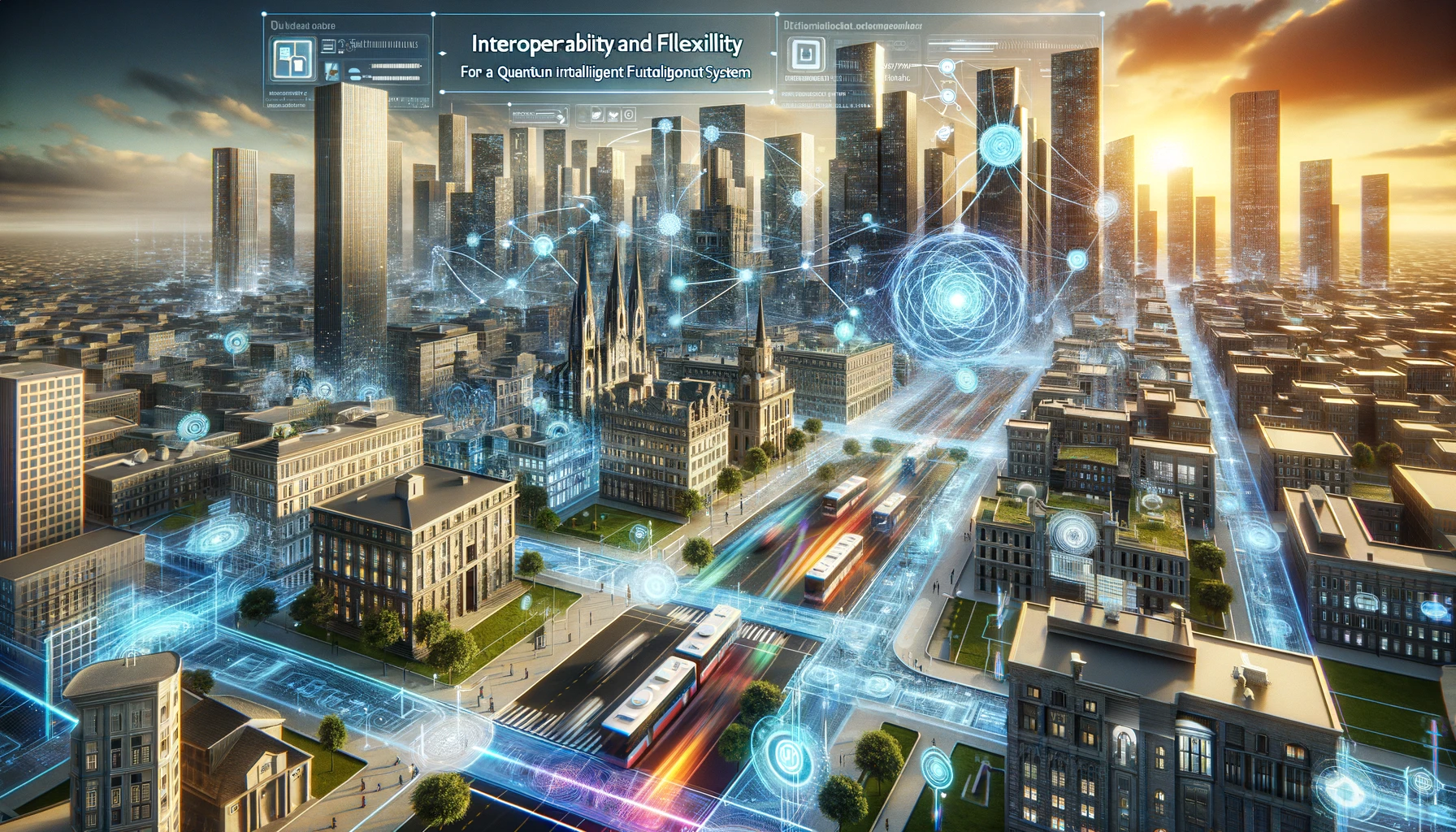
9. Scalability and Flexibility: Designing the system to be scalable, accommodating increasing data volumes and new data sources, and flexible to adapt to evolving urban needs and technological advancements.
Image
Conceptual diagram for Scalability and Flexibility in an Advanced Data Processing System for a Quantum Intelligent Futuristic City Management System. The diagram illustrates a modular system architecture with expandable components. It shows the core system with plug-and-play modules for various urban functionalities like transportation, energy, and public safety. Arrows indicate the ability to add or modify modules as the city grows and evolves. The design highlights the system's adaptability to changing urban needs and the capacity to scale up with technological advancements and increased data volumes.
Image
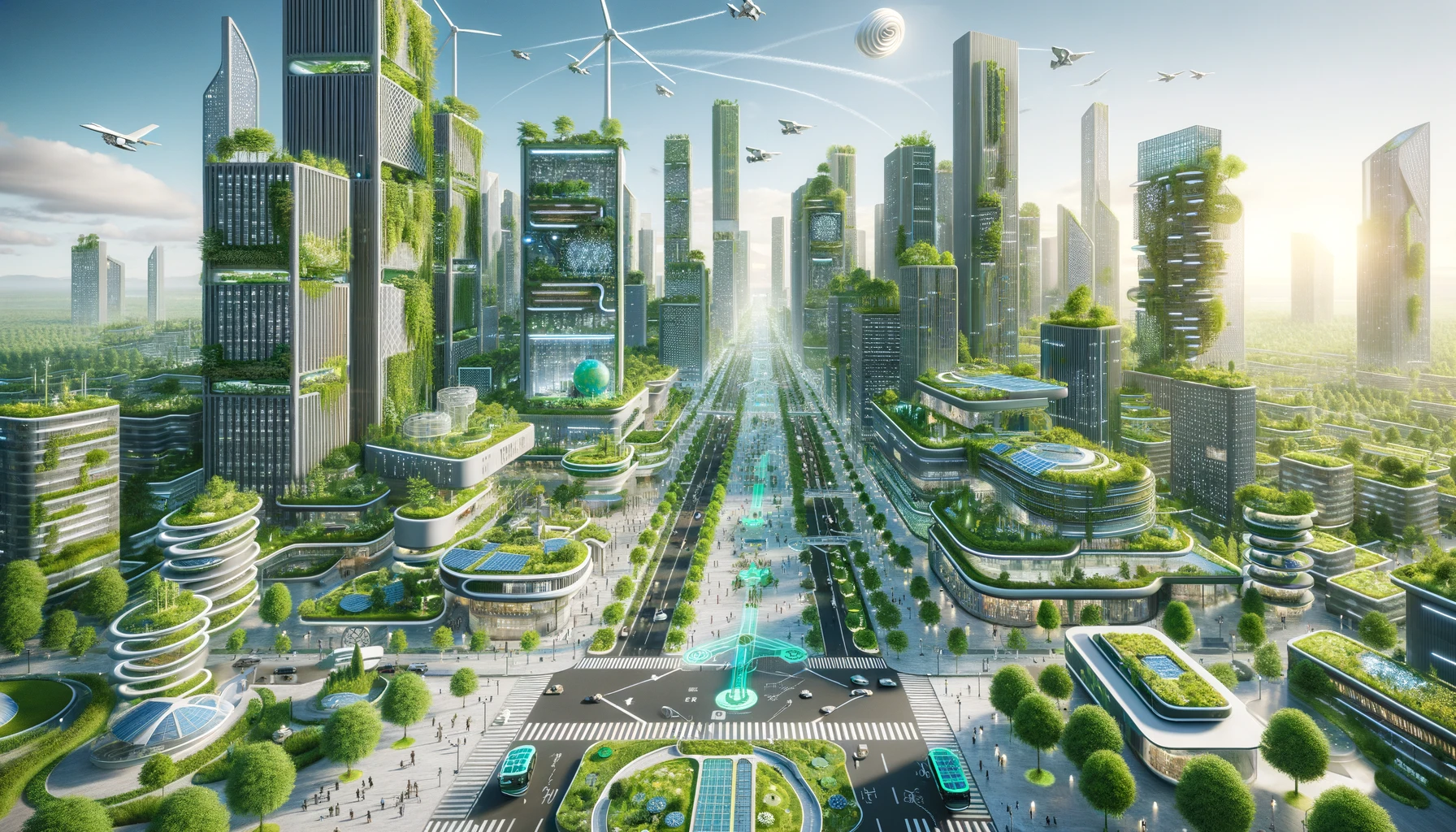
10. Sustainable Data Processing: Incorporating energy-efficient data processing practices to align with sustainability goals of the smart city.
Image
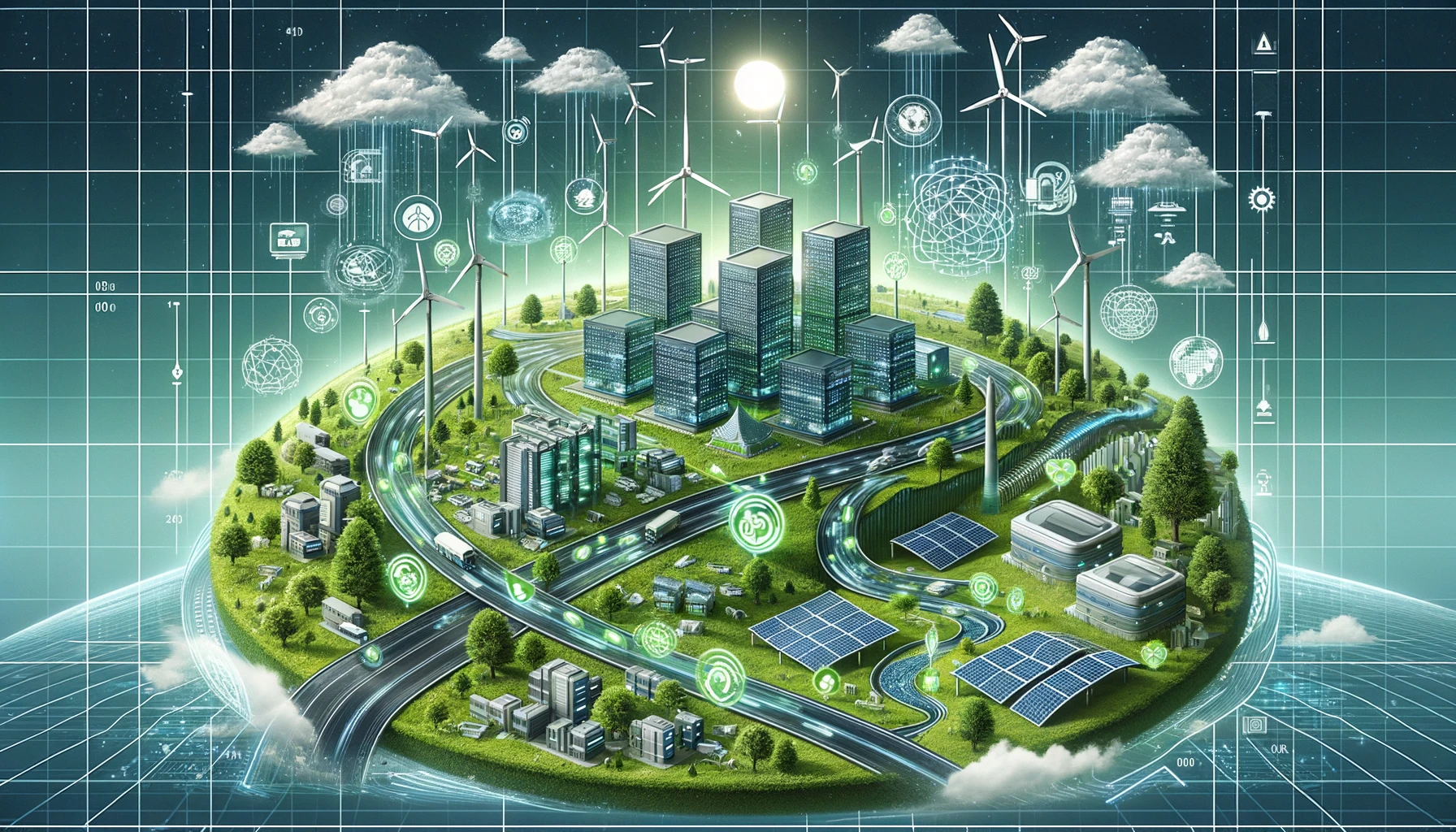
Conceptual diagram visualizing Sustainable Data Processing in an Advanced Data Processing System for a Quantum Intelligent Futuristic City Management System. The diagram illustrates a system that integrates environmental sustainability into its data processing operations. It features renewable energy sources like solar panels and wind turbines powering data centers. The data flow is shown as being managed in an energy-efficient manner, with smart cooling systems and green computing technologies. The design highlights the commitment to reducing the environmental impact of data processing, showcasing a balance between technological advancement and ecological responsibility.

Let's work together